

About ICFER
The Islamic Centre for Education and Research (ICFER) is a philanthropic non-profit and Non-Governmental Organization (NGO) duly registered with the National Bureau for NGOs in Uganda. Founded in 1983 by the late Sheikh Edirisa Twaib Lutaaya and his contemporaries, ICFER was established to serve humanity without discrimination based on tribe, color, gender, politics, or religion.
As a charitable organization, our mission is to support both government and international efforts aimed at improving the quality of life of orphans, vulnerable individuals, and underserved communities. Our programs are strategically aligned with Uganda’s National Development Plan (NDP III) and the United Nations Sustainable Development Goals (SDGs).

In 2021 alone, our initiatives impacted over 200,000 beneficiaries across more than 20 districts in Uganda.
Our Programs
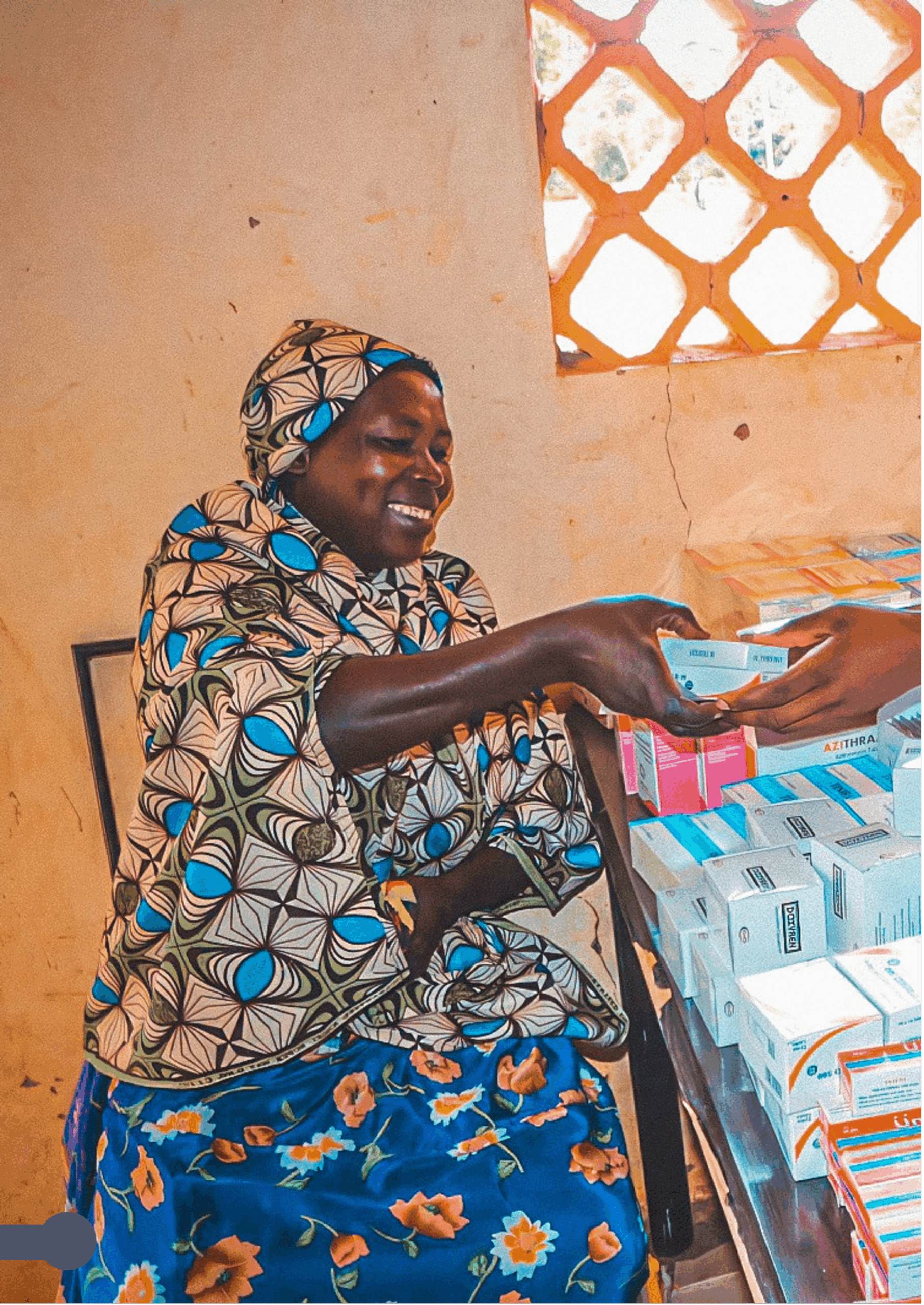
ICFER Uganda has implemented impactful programs across 30 districts in 5 regions, benefiting thousands of individuals. Our initiatives align with the National Development Plan III (NDP III) and the Sustainable Development Goals (SDGs), targeting key areas such as health, education, water and sanitation, family support, food security, climate action, and support for orphans and vulnerable children.

Our Journey:
Since its founding in 1983, the Islamic Centre for Education and Research (ICFER) has steadily grown from a small, community-based initiative into a nationally recognized organization making a significant impact across Uganda. Guided by a vision of compassion, inclusivity, and service, ICFER has consistently evolved to meet the changing needs of vulnerable populations. The timeline below highlights key milestones that have defined our journey of nearly four decades of humanitarian service.
1985–1990
Expansion of community-based Islamic education programs across central Uganda. The foundation is laid for future OVC (Orphans and Vulnerable Children) support initiatives.1998

Introduction of the Family Support Program to empower struggling families through food aid and vocational support.2007

ICFER launches its first free Medical Camp and begins mobilizing support for surgeries and essential healthcare in rural communities.2013
Ramadan Food Project expanded nationwide, reaching thousands of fasting families with food packs and ready meals.2018
Launch of the Education & Skills Development Program—supporting vocational training and scholarships for OVCs.2021
ICFER programs reach a milestone of over 200,000 beneficiaries across 20+ districts in Uganda.2023
Climate Action Program initiated to promote sustainable environmental practices and climate resilience in affected communities.1983
ICFER is founded by Sheikh Edirisa Twaib Lutaaya and contemporaries as a response to the growing need for Islamic education and humanitarian support in Uganda1993
First formal support program for Orphans and Vulnerable Children is launched, reaching over 1,000 children across Kampala and Wakiso.2001
First Mosque Program initiated with the renovation and construction of mosques in underserved areas.2010
Water, Sanitation, and Hygiene (WASH) Program begins with the construction of boreholes and community sanitation campaigns in rural Uganda.2015
Strategic partnerships are formed with international donors and humanitarian networks to scale up ICFER's reach.2020
COVID-19 Response Program delivers relief supplies, masks, sanitizers, and food to vulnerable households.2022
Participation in the 100 Million Meals Global Campaign, supporting 568 families with food packages during Ramadan.
We have many reviews from our satisfied clients.
H.E. Dr. Abdullah Bin Fahad Alqahtani
Charles Peter Mayiga